Opinion
Paul Mullen
The Mountain Bike Industry’s Digital Problem
Bikes have evolved dramatically over the past 25 years. Their websites haven’t.
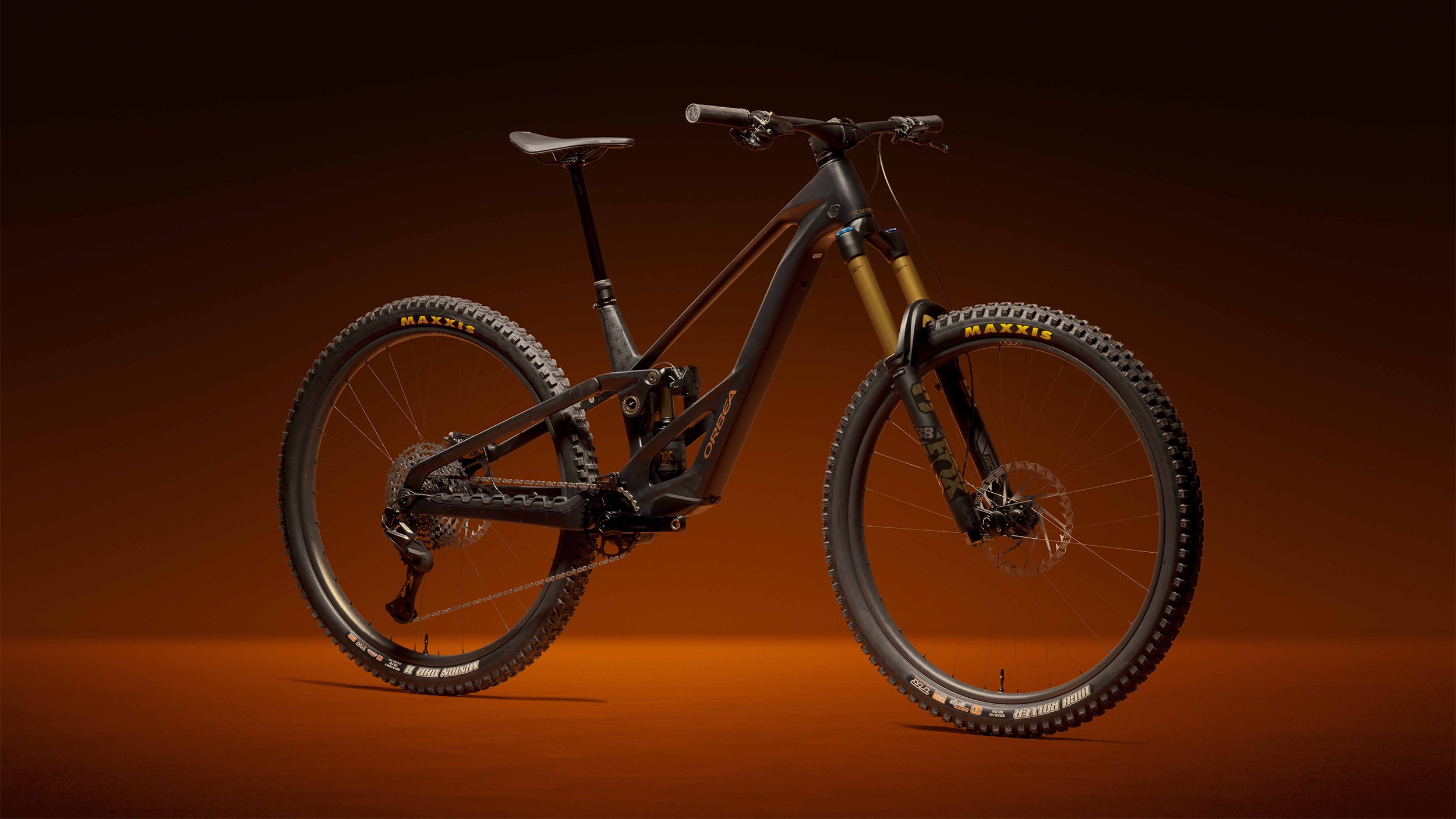
The bike of the future? The Orbea Rallon RS offers a unique approach to mountain bike design. Its core is an RS system that combines a motor, battery, suspension, dropper post, and derailleur into one seamless platform, all powered by a single battery and with real-time communication. The shock receives data from the motor on power, cadence, and speed, allowing it to automatically optimise damping. The dropper post interacts with both the shock and the motor, ensuring fully open suspension on descents and adjusting assistance levels based on terrain. BikeRadar’s technical editor-in-chief, with 20 years of MTB testing experience, described the level of integration as “incredible” – something he had never seen before. Twenty-five years of engineering development, captured in a single frame.
Frame geometry, suspension kinematics, dropper posts, electronic shifting, wheel size. Engineering progress has been relentless; the digital experience hasn’t kept pace.
In 2017, I left studio work in search of a market where I could make a real difference. MTB seemed like the right fit; a sport with passionate communities and a brand/digital presence that hadn’t caught up with either. I studied how automotive companies present high-value products. I spoke to decision-makers. I built working examples. At one point, I offered to build a website entirely in my own time, not to win a contract, but to prove what was possible and build a case study. No response.
The frustration wasn’t rejection. It was indifference to the idea itself.
Frame geometry, suspension kinematics, dropper posts, electronic shifting, wheel size. Engineering progress has been relentless; the digital experience hasn’t kept pace.
In 2017, I left studio work in search of a market where I could make a real difference. MTB seemed like the right fit; a sport with passionate communities and a brand/digital presence that hadn’t caught up with either. I studied how automotive companies present high-value products. I spoke to decision-makers. I built working examples. At one point, I offered to build a website entirely in my own time, not to win a contract, but to prove what was possible and build a case study. No response.
The frustration wasn’t rejection. It was indifference to the idea itself.
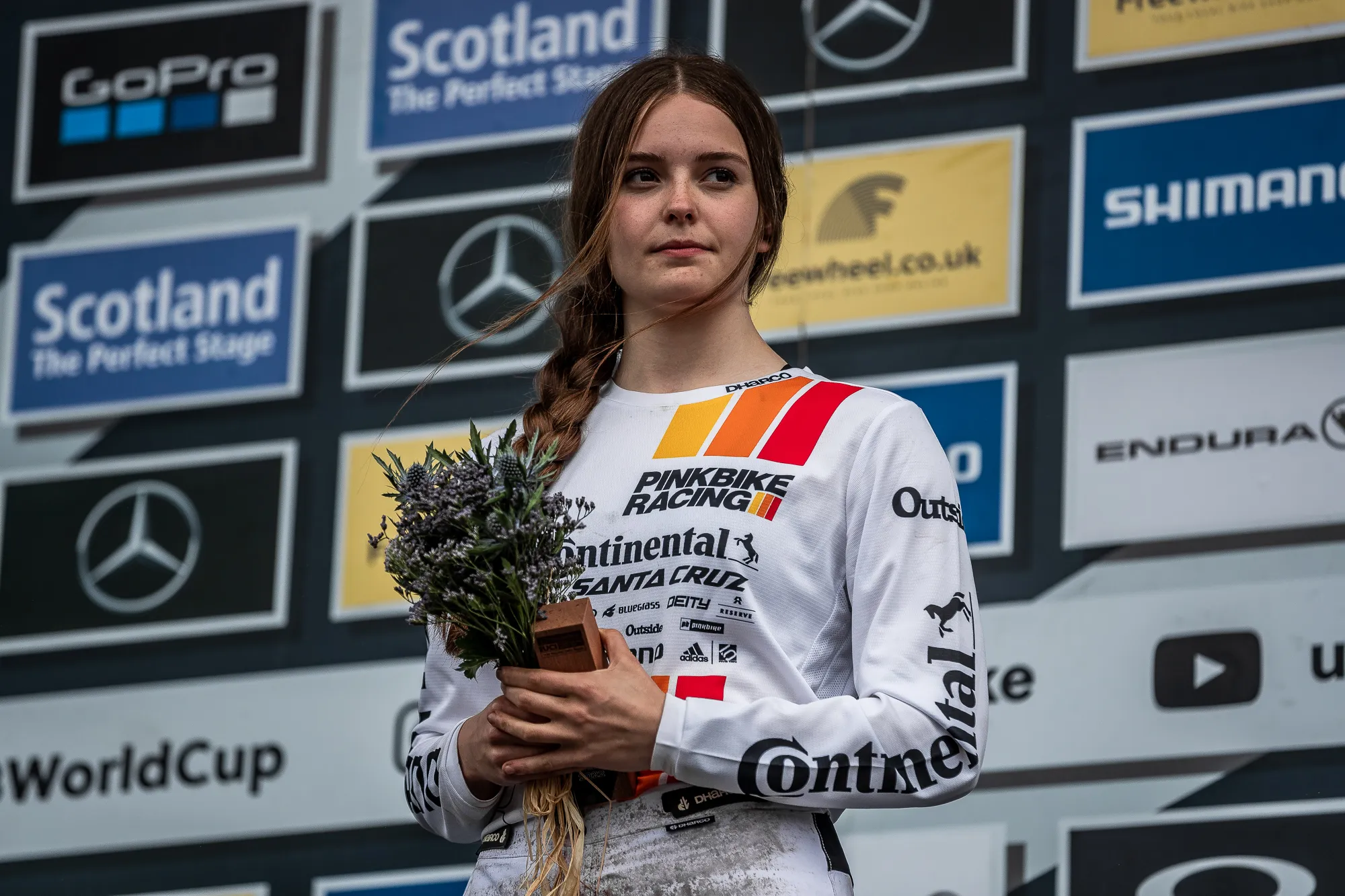
Our first foray into the MTB world was working with Ben Cathro to develop an identity for his coaching brand, Sick Skills. That led to Cathrovision, several Pinkbike YouTube series, and eventually Pinkbike Racing – work that ended up on the podium at the UCI Downhill World Cup.
An industry built for a different era
To understand why, it helps to look at the origins of MTB’s digital culture. The major industry media platforms (Pinkbike, Vital MTB, Singletrack World) didn’t start as publishing brands. They started as forums. Grassroots communities built around dense threads, marketplace listings, and millions of user-generated posts. That infrastructure has real value, and modernising it is genuinely difficult. Like Reddit or Craigslist, their audiences have often actively resisted visual overhauls; speed and density matter more than aesthetics to a certain kind of power user. The design language that emerged from that era became the industry default.
The brands themselves face structural constraints, too. Much of the bike industry is built on physical retail and face-to-face relationships. Many iconic brands are small-to-medium enterprises without the internal teams to build and maintain sophisticated digital experiences. Older CMS platforms, limited budgets, and a sales model that doesn’t depend on the website being good enough, it’s a combination that makes inertia easy to justify.
The post-pandemic period hasn’t helped. The industry is navigating its most significant financial pressure in years, with overproduction and falling demand forcing many brands into survival mode. When companies are clearing inventory and managing losses, website overhauls are the first thing cancelled.
None of this is an excuse. But it explains why change hasn’t come from within.
An industry built for a different era
To understand why, it helps to look at the origins of MTB’s digital culture. The major industry media platforms (Pinkbike, Vital MTB, Singletrack World) didn’t start as publishing brands. They started as forums. Grassroots communities built around dense threads, marketplace listings, and millions of user-generated posts. That infrastructure has real value, and modernising it is genuinely difficult. Like Reddit or Craigslist, their audiences have often actively resisted visual overhauls; speed and density matter more than aesthetics to a certain kind of power user. The design language that emerged from that era became the industry default.
The brands themselves face structural constraints, too. Much of the bike industry is built on physical retail and face-to-face relationships. Many iconic brands are small-to-medium enterprises without the internal teams to build and maintain sophisticated digital experiences. Older CMS platforms, limited budgets, and a sales model that doesn’t depend on the website being good enough, it’s a combination that makes inertia easy to justify.
The post-pandemic period hasn’t helped. The industry is navigating its most significant financial pressure in years, with overproduction and falling demand forcing many brands into survival mode. When companies are clearing inventory and managing losses, website overhauls are the first thing cancelled.
None of this is an excuse. But it explains why change hasn’t come from within.
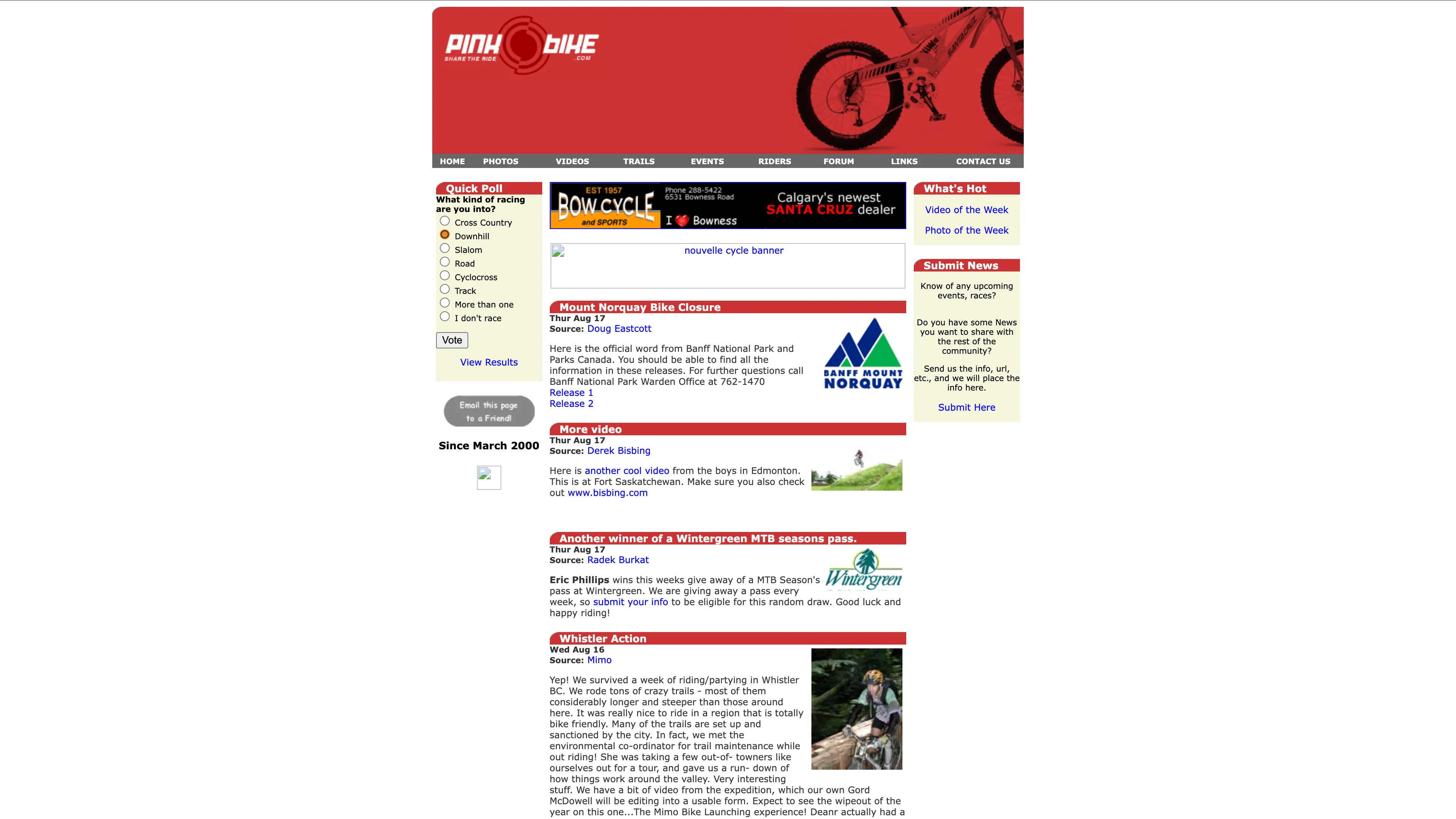
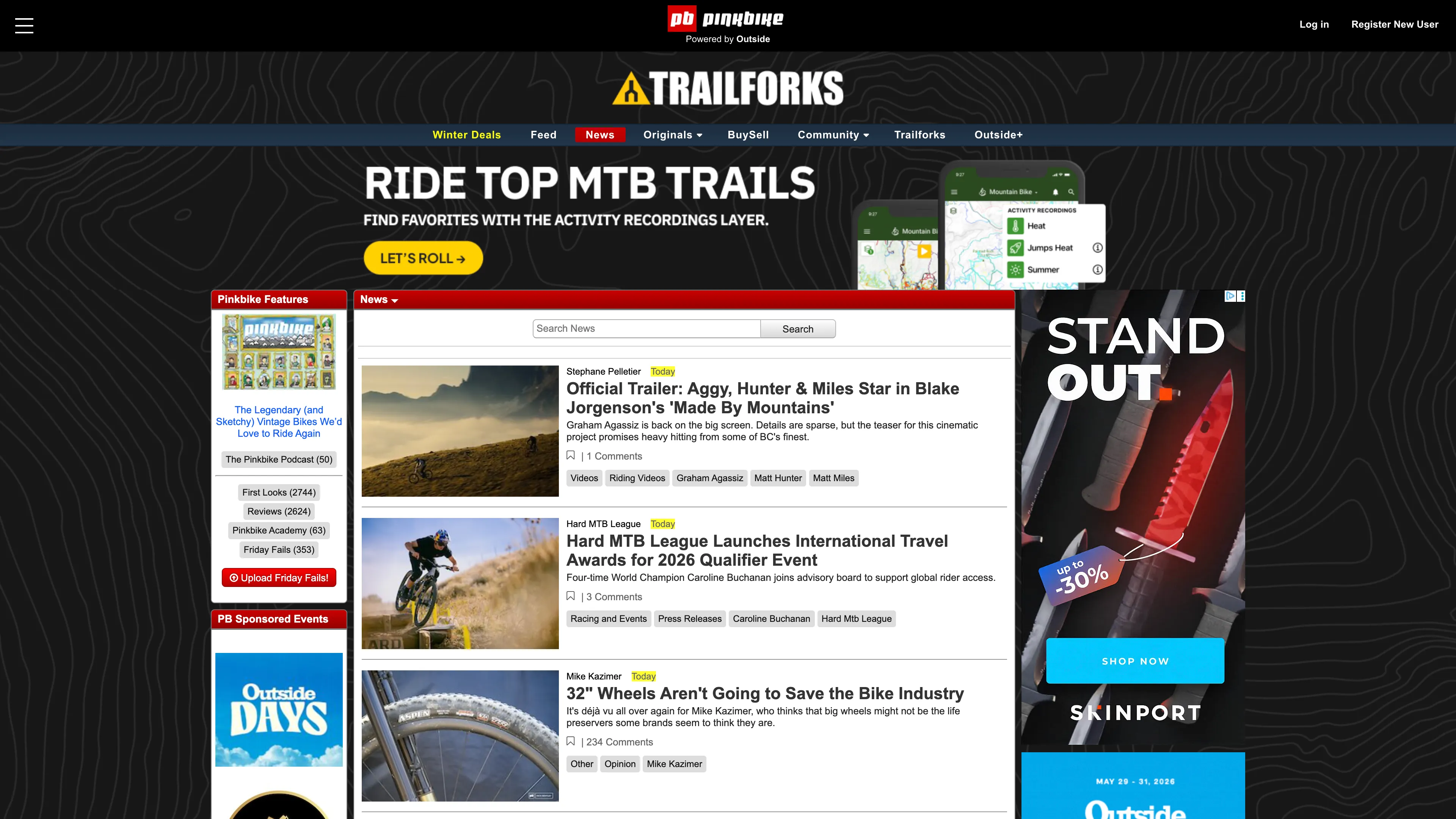
Pinkbike in 2000 and Pinkbike today. The same audience, faithfully served. The red accent colour, the three-column layout, and the dense information hierarchy are all still present. The die-hards got exactly what they wanted. The question is: who is the industry building for next?
The audience has moved on
Here’s the part that makes the inertia costly: the next wave of MTB buyers has grown up with a completely different set of digital expectations.
Riders now in their late twenties and early thirties: in full-time employment, with disposable income and a genuine appetite for high-end bikes; came of age on Instagram, YouTube, and Strava. They’ve been shaped by considered editorial design, visual storytelling, and interfaces that treat them as intelligent adults. That’s not a demographic report, it’s just a logical read of where the market is heading.
When that rider lands on a spec table from 2009, they don’t adapt to it. They leave. And they take their budget with them.
The die-hard user who prefers dense text and fast load times isn’t going anywhere, but they’re not the growth market either. Brands are currently serving one audience well and ignoring the other entirely.
The audience has moved on
Here’s the part that makes the inertia costly: the next wave of MTB buyers has grown up with a completely different set of digital expectations.
Riders now in their late twenties and early thirties: in full-time employment, with disposable income and a genuine appetite for high-end bikes; came of age on Instagram, YouTube, and Strava. They’ve been shaped by considered editorial design, visual storytelling, and interfaces that treat them as intelligent adults. That’s not a demographic report, it’s just a logical read of where the market is heading.
When that rider lands on a spec table from 2009, they don’t adapt to it. They leave. And they take their budget with them.
The die-hard user who prefers dense text and fast load times isn’t going anywhere, but they’re not the growth market either. Brands are currently serving one audience well and ignoring the other entirely.
Why direct-to-customer (DTC) brands get it right
Brands that are investing heavily in digital (Canyon, YT Industries, for example) are DTC. Their entire business depends on a frictionless online experience, so they’ve built accordingly. It shows. Though even some DTC brands fall into the trap of cookie-cutter templates and never fully embrace the showcase aspect, the opportunity to make someone genuinely want to ride that bike.
The most instructive example might be Amflow. A tech company, DJI, enters the bike market and immediately builds a website that feels like a tech product. Immersive, confident, built to create desire. They sell direct and through dealers. The investment in the digital experience serves both.
Why direct-to-customer (DTC) brands get it right
Brands that are investing heavily in digital (Canyon, YT Industries, for example) are DTC. Their entire business depends on a frictionless online experience, so they’ve built accordingly. It shows. Though even some DTC brands fall into the trap of cookie-cutter templates and never fully embrace the showcase aspect, the opportunity to make someone genuinely want to ride that bike.
The most instructive example might be Amflow. A tech company, DJI, enters the bike market and immediately builds a website that feels like a tech product. Immersive, confident, built to create desire. They sell direct and through dealers. The investment in the digital experience serves both.
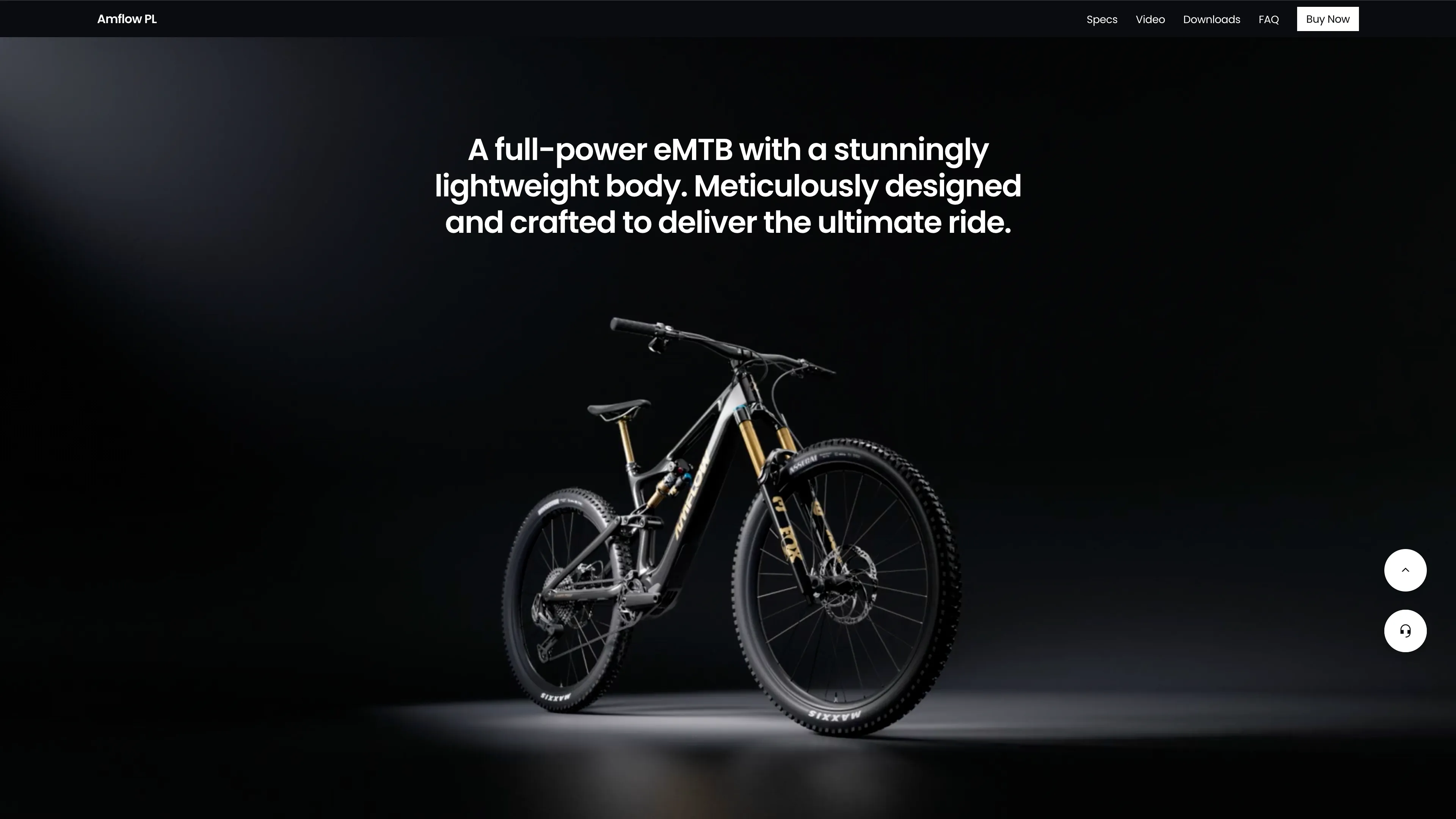
Amflow entered the market in 2024 as a complete newcomer. No legacy, no dealer dependency, no reason to play it safe digitally. The result is a website that feels less like a bike brand and more like a tech product launch, because that’s exactly what it is.
The automotive parallel
The automotive comparison holds, too. Rivian proved that a DTC model can work at scale; no dealers, no showrooms, the website carries the entire sales journey. But even traditional manufacturers who still sell through dealers invest heavily in the digital experience anyway. Configurators, immersive imagery, and clear paths to a test drive. The website builds desire and delivers a motivated buyer to the showroom. The dealer benefits directly from that investment.
MTB brands aren’t doing that work for their retail partners.
The automotive parallel
The automotive comparison holds, too. Rivian proved that a DTC model can work at scale; no dealers, no showrooms, the website carries the entire sales journey. But even traditional manufacturers who still sell through dealers invest heavily in the digital experience anyway. Configurators, immersive imagery, and clear paths to a test drive. The website builds desire and delivers a motivated buyer to the showroom. The dealer benefits directly from that investment.
MTB brands aren’t doing that work for their retail partners.
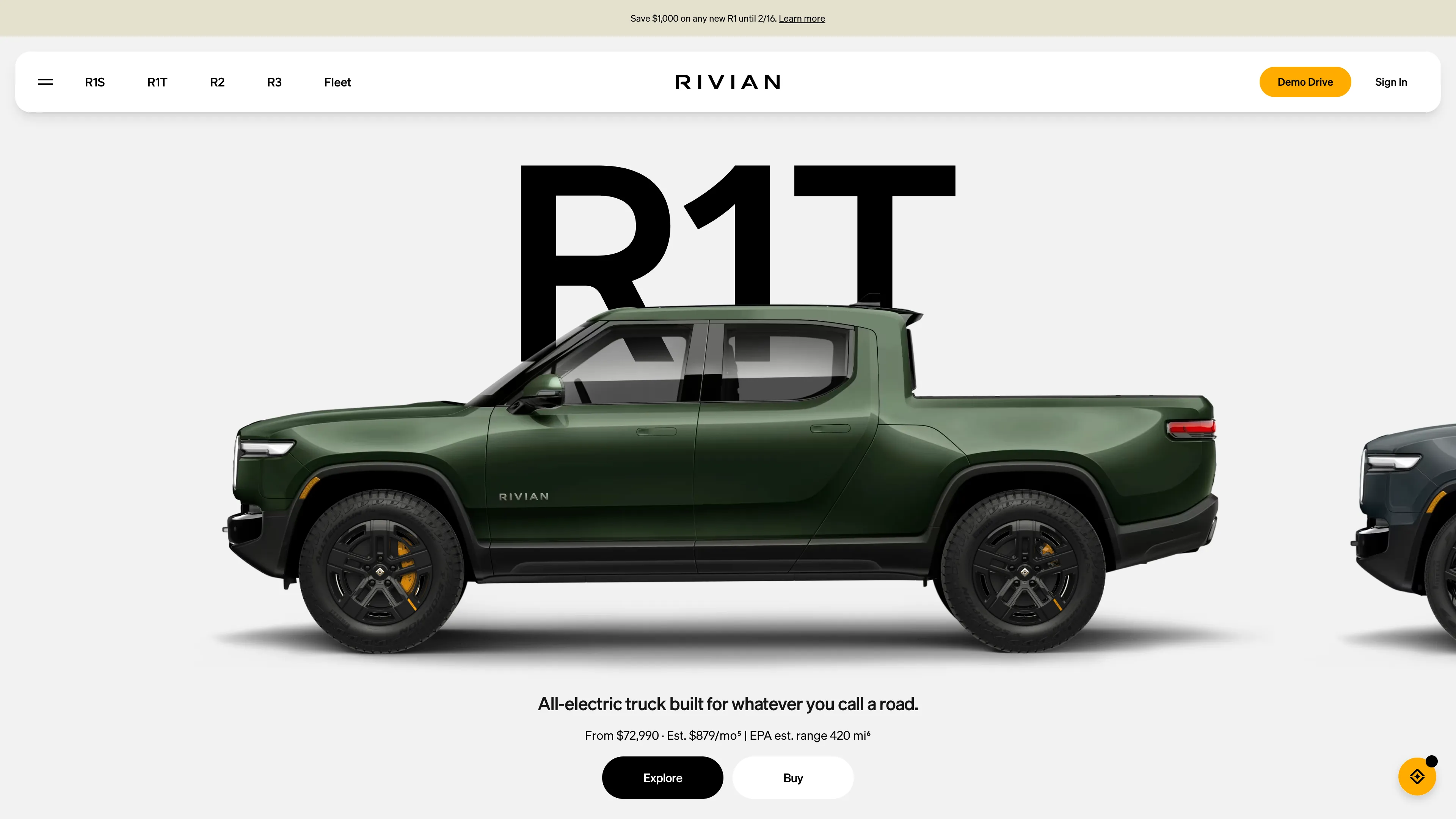
Rivian. No dealers, no showrooms; the website is the entire sales journey. It shows.
The cost to local bike shops (LBS)
A rider who can’t find the information they need, or doesn’t feel the pull of a well-told product story, doesn’t walk into their local bike shop ready to buy. They drift. And the LBS, already fighting hard and already relying on social media because they have to, loses a customer the brand never properly warmed up to.
The cost to local bike shops (LBS)
A rider who can’t find the information they need, or doesn’t feel the pull of a well-told product story, doesn’t walk into their local bike shop ready to buy. They drift. And the LBS, already fighting hard and already relying on social media because they have to, loses a customer the brand never properly warmed up to.
Where this leaves us
Nobody is the villain here. But somebody is leaving value on the table; in storytelling, in trust-building, in sending informed, motivated riders through a shop door. The brands that close this gap don’t need to go DTC to benefit. They just need to treat their website like it matters.
Where this leaves us
Nobody is the villain here. But somebody is leaving value on the table; in storytelling, in trust-building, in sending informed, motivated riders through a shop door. The brands that close this gap don’t need to go DTC to benefit. They just need to treat their website like it matters.
Frame geometry, suspension kinematics, dropper posts, electronic shifting, wheel size. Engineering progress has been relentless; the digital experience hasn’t kept pace.
In 2017, I left studio work in search of a market where I could make a real difference. MTB seemed like the right fit; a sport with passionate communities and a brand/digital presence that hadn’t caught up with either. I studied how automotive companies present high-value products. I spoke to decision-makers. I built working examples. At one point, I offered to build a website entirely in my own time, not to win a contract, but to prove what was possible and build a case study. No response.
The frustration wasn’t rejection. It was indifference to the idea itself.
Our first foray into the MTB world was working with Ben Cathro to develop an identity for his coaching brand, Sick Skills. That led to Cathrovision, several Pinkbike YouTube series, and eventually Pinkbike Racing – work that ended up on the podium at the UCI Downhill World Cup.
An industry built for a different era
To understand why, it helps to look at the origins of MTB’s digital culture. The major industry media platforms (Pinkbike, Vital MTB, Singletrack World) didn’t start as publishing brands. They started as forums. Grassroots communities built around dense threads, marketplace listings, and millions of user-generated posts. That infrastructure has real value, and modernising it is genuinely difficult. Like Reddit or Craigslist, their audiences have often actively resisted visual overhauls; speed and density matter more than aesthetics to a certain kind of power user. The design language that emerged from that era became the industry default.
The brands themselves face structural constraints, too. Much of the bike industry is built on physical retail and face-to-face relationships. Many iconic brands are small-to-medium enterprises without the internal teams to build and maintain sophisticated digital experiences. Older CMS platforms, limited budgets, and a sales model that doesn’t depend on the website being good enough, it’s a combination that makes inertia easy to justify.
The post-pandemic period hasn’t helped. The industry is navigating its most significant financial pressure in years, with overproduction and falling demand forcing many brands into survival mode. When companies are clearing inventory and managing losses, website overhauls are the first thing cancelled.
None of this is an excuse. But it explains why change hasn’t come from within.
Pinkbike in 2000 and Pinkbike today. The same audience, faithfully served. The red accent colour, the three-column layout, and the dense information hierarchy are all still present. The die-hards got exactly what they wanted. The question is: who is the industry building for next?
The audience has moved on
Here’s the part that makes the inertia costly: the next wave of MTB buyers has grown up with a completely different set of digital expectations.
Riders now in their late twenties and early thirties: in full-time employment, with disposable income and a genuine appetite for high-end bikes; came of age on Instagram, YouTube, and Strava. They’ve been shaped by considered editorial design, visual storytelling, and interfaces that treat them as intelligent adults. That’s not a demographic report, it’s just a logical read of where the market is heading.
When that rider lands on a spec table from 2009, they don’t adapt to it. They leave. And they take their budget with them.
The die-hard user who prefers dense text and fast load times isn’t going anywhere, but they’re not the growth market either. Brands are currently serving one audience well and ignoring the other entirely.
Why direct-to-customer (DTC) brands get it right
Brands that are investing heavily in digital (Canyon, YT Industries, for example) are DTC. Their entire business depends on a frictionless online experience, so they’ve built accordingly. It shows. Though even some DTC brands fall into the trap of cookie-cutter templates and never fully embrace the showcase aspect, the opportunity to make someone genuinely want to ride that bike.
The most instructive example might be Amflow. A tech company, DJI, enters the bike market and immediately builds a website that feels like a tech product. Immersive, confident, built to create desire. They sell direct and through dealers. The investment in the digital experience serves both.
Amflow entered the market in 2024 as a complete newcomer. No legacy, no dealer dependency, no reason to play it safe digitally. The result is a website that feels less like a bike brand and more like a tech product launch, because that’s exactly what it is.
The automotive parallel
The automotive comparison holds, too. Rivian proved that a DTC model can work at scale; no dealers, no showrooms, the website carries the entire sales journey. But even traditional manufacturers who still sell through dealers invest heavily in the digital experience anyway. Configurators, immersive imagery, and clear paths to a test drive. The website builds desire and delivers a motivated buyer to the showroom. The dealer benefits directly from that investment.
MTB brands aren’t doing that work for their retail partners.
Rivian. No dealers, no showrooms; the website is the entire sales journey. It shows.
The cost to local bike shops (LBS)
A rider who can’t find the information they need, or doesn’t feel the pull of a well-told product story, doesn’t walk into their local bike shop ready to buy. They drift. And the LBS, already fighting hard and already relying on social media because they have to, loses a customer the brand never properly warmed up to.
Where this leaves us
Nobody is the villain here. But somebody is leaving value on the table; in storytelling, in trust-building, in sending informed, motivated riders through a shop door. The brands that close this gap don’t need to go DTC to benefit. They just need to treat their website like it matters.
Frame geometry, suspension kinematics, dropper posts, electronic shifting, wheel size. Engineering progress has been relentless; the digital experience hasn’t kept pace.
In 2017, I left studio work in search of a market where I could make a real difference. MTB seemed like the right fit; a sport with passionate communities and a brand/digital presence that hadn’t caught up with either. I studied how automotive companies present high-value products. I spoke to decision-makers. I built working examples. At one point, I offered to build a website entirely in my own time, not to win a contract, but to prove what was possible and build a case study. No response.
The frustration wasn’t rejection. It was indifference to the idea itself.
Our first foray into the MTB world was working with Ben Cathro to develop an identity for his coaching brand, Sick Skills. That led to Cathrovision, several Pinkbike YouTube series, and eventually Pinkbike Racing – work that ended up on the podium at the UCI Downhill World Cup.
An industry built for a different era
To understand why, it helps to look at the origins of MTB’s digital culture. The major industry media platforms (Pinkbike, Vital MTB, Singletrack World) didn’t start as publishing brands. They started as forums. Grassroots communities built around dense threads, marketplace listings, and millions of user-generated posts. That infrastructure has real value, and modernising it is genuinely difficult. Like Reddit or Craigslist, their audiences have often actively resisted visual overhauls; speed and density matter more than aesthetics to a certain kind of power user. The design language that emerged from that era became the industry default.
The brands themselves face structural constraints, too. Much of the bike industry is built on physical retail and face-to-face relationships. Many iconic brands are small-to-medium enterprises without the internal teams to build and maintain sophisticated digital experiences. Older CMS platforms, limited budgets, and a sales model that doesn’t depend on the website being good enough, it’s a combination that makes inertia easy to justify.
The post-pandemic period hasn’t helped. The industry is navigating its most significant financial pressure in years, with overproduction and falling demand forcing many brands into survival mode. When companies are clearing inventory and managing losses, website overhauls are the first thing cancelled.
None of this is an excuse. But it explains why change hasn’t come from within.
Pinkbike in 2000 and Pinkbike today. The same audience, faithfully served. The red accent colour, the three-column layout, and the dense information hierarchy are all still present. The die-hards got exactly what they wanted. The question is: who is the industry building for next?
The audience has moved on
Here’s the part that makes the inertia costly: the next wave of MTB buyers has grown up with a completely different set of digital expectations.
Riders now in their late twenties and early thirties: in full-time employment, with disposable income and a genuine appetite for high-end bikes; came of age on Instagram, YouTube, and Strava. They’ve been shaped by considered editorial design, visual storytelling, and interfaces that treat them as intelligent adults. That’s not a demographic report, it’s just a logical read of where the market is heading.
When that rider lands on a spec table from 2009, they don’t adapt to it. They leave. And they take their budget with them.
The die-hard user who prefers dense text and fast load times isn’t going anywhere, but they’re not the growth market either. Brands are currently serving one audience well and ignoring the other entirely.
Why direct-to-customer (DTC) brands get it right
Brands that are investing heavily in digital (Canyon, YT Industries, for example) are DTC. Their entire business depends on a frictionless online experience, so they’ve built accordingly. It shows. Though even some DTC brands fall into the trap of cookie-cutter templates and never fully embrace the showcase aspect, the opportunity to make someone genuinely want to ride that bike.
The most instructive example might be Amflow. A tech company, DJI, enters the bike market and immediately builds a website that feels like a tech product. Immersive, confident, built to create desire. They sell direct and through dealers. The investment in the digital experience serves both.
Amflow entered the market in 2024 as a complete newcomer. No legacy, no dealer dependency, no reason to play it safe digitally. The result is a website that feels less like a bike brand and more like a tech product launch, because that’s exactly what it is.
The automotive parallel
The automotive comparison holds, too. Rivian proved that a DTC model can work at scale; no dealers, no showrooms, the website carries the entire sales journey. But even traditional manufacturers who still sell through dealers invest heavily in the digital experience anyway. Configurators, immersive imagery, and clear paths to a test drive. The website builds desire and delivers a motivated buyer to the showroom. The dealer benefits directly from that investment.
MTB brands aren’t doing that work for their retail partners.
Rivian. No dealers, no showrooms; the website is the entire sales journey. It shows.
The cost to local bike shops (LBS)
A rider who can’t find the information they need, or doesn’t feel the pull of a well-told product story, doesn’t walk into their local bike shop ready to buy. They drift. And the LBS, already fighting hard and already relying on social media because they have to, loses a customer the brand never properly warmed up to.
Where this leaves us
Nobody is the villain here. But somebody is leaving value on the table; in storytelling, in trust-building, in sending informed, motivated riders through a shop door. The brands that close this gap don’t need to go DTC to benefit. They just need to treat their website like it matters.